
Display Modules
45 products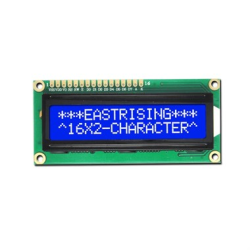
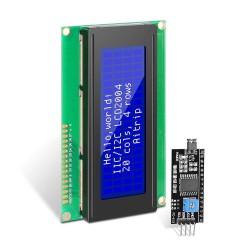
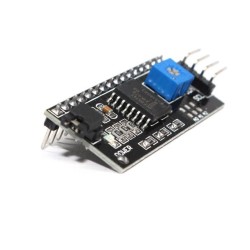
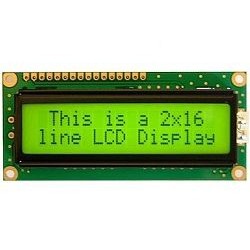
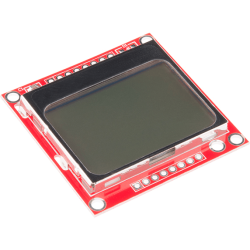
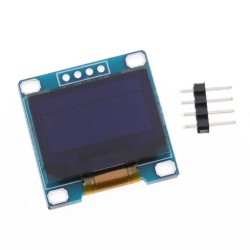
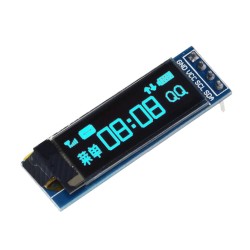
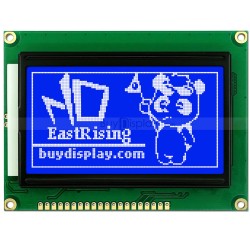
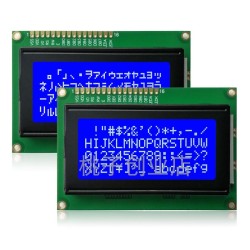
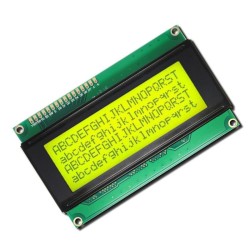
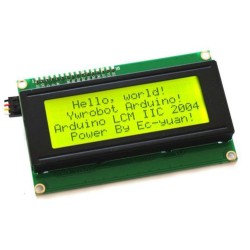
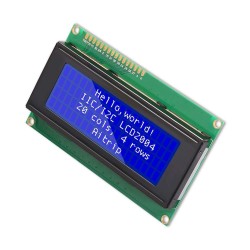
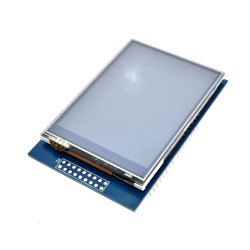
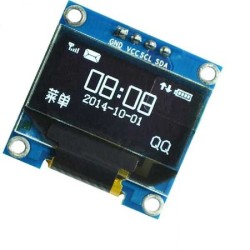
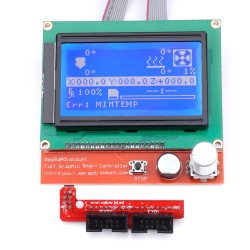
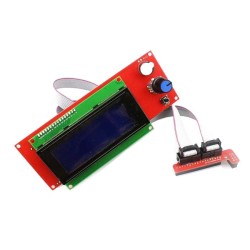
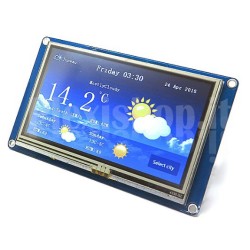
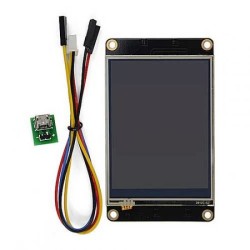
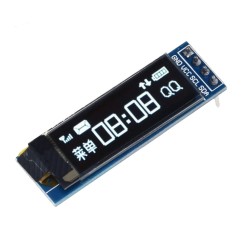
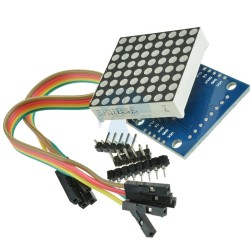
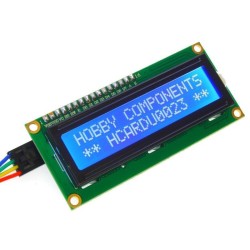
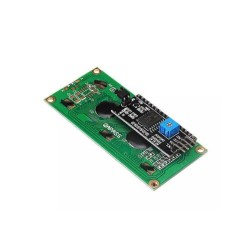
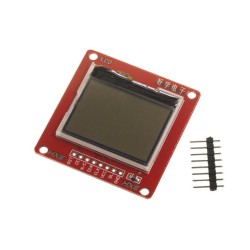
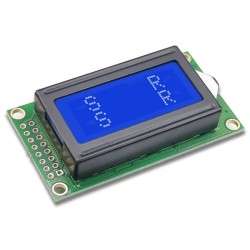
Display modules are the cornerstone of visualizing data, graphics, or interfaces in electronic projects. Spanning from basic character LCDs to high-resolution TFT touchscreens, they are widely used with development boards such as Arduino, Raspberry Pi, and ESP32. Choosing the right display directly shapes your project's user experience and functionality.
Common Display Module Types
- Character LCDs: Alphanumeric indicators like 16x2 or 20x4; offer low power and simple wiring.
- OLED Displays: Known for high contrast, wide viewing angles, and ultra-low energy consumption. Ideal for both text and graphics.
- TFT Color Screens: SPI or parallel interfaces, often with touch support, suited for complex graphical user interfaces.
- e-Ink / e-Paper: Paper-like readability and near-zero static power draw, perfect for long-term static information.
Key Selection Criteria
Before purchasing a display module, evaluate these factors:
- Supply Voltage: Most modules run on 3.3V or 5V — ensure logic level compatibility with your mainboard.
- Communication Interface: I²C, SPI, UART, or parallel affect pin count and refresh speed. I²C is favored when I/O pins are scarce.
- Resolution & Size: More detailed content demands higher pixel density; match the physical size to your enclosure.
- Touch Support: Capacitive or resistive — mandatory if the panel requires user input.
- Backlight & Visibility: Sunlight readability, contrast ratio, and backlight type influence outdoor vs. indoor use.
Typical applications include IoT dashboards, weather stations, 3D printer interfaces, automotive information displays, and wearables. Regardless of your choice, strong library support (Adafruit GFX, U8g2, LVGL, etc.) and active community resources will streamline integration.


