
Antenna Connectors
12 products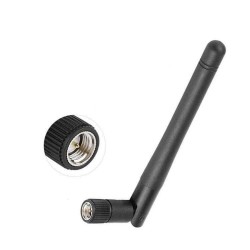
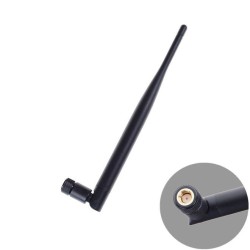
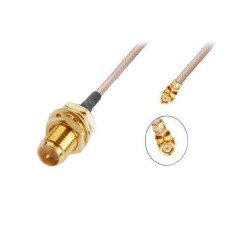
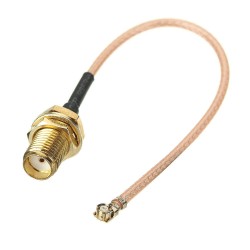
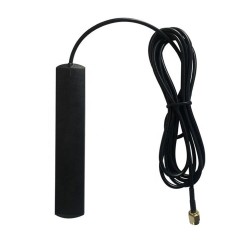
Why Antenna Connectors Matter
In wireless communication, the physical link between the antenna and the device directly influences signal loss and impedance matching. Choosing the right connector becomes critical in frequency‑sensitive applications like IoT, GSM, Wi‑Fi, and LoRa. A mismatched connector can lead to reduced range and packet loss, compromising overall system performance.
Common Antenna Connector Types
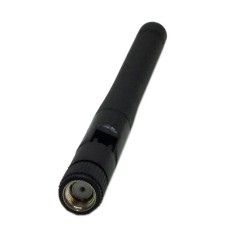
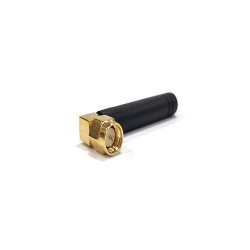
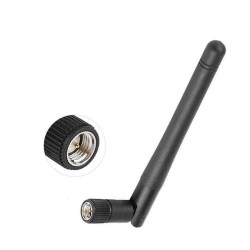
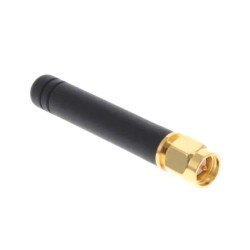
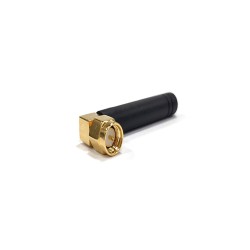
- SMA / RP‑SMA: With 50 Ω impedance, these are widely used at 2.4 GHz and 5 GHz. Variations in male/female and standard/reverse polarity (RP‑SMA) appear frequently in Wi‑Fi routers and external antennas.
- N‑type: A low‑loss, high‑power option ideal for outdoor installations. Commonly found in GSM base stations and industrial IoT projects, where durability and weather resistance matter.
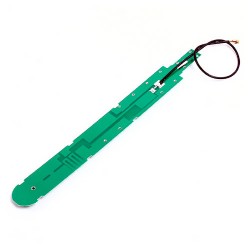
- U.FL / IPEX: The miniature solution for PCB‑level antenna interfaces. Often seen on compact modules like SIM800C or ESP boards, enabling quick connection of pigtails and external antennas.
- MMCX: Fast snap‑on design suited for test equipment and applications requiring frequent connection cycles.
- BNC / TNC: While traditionally associated with lab and low‑frequency video, they also appear in certain specialized IoT sensors.
How to Choose the Right Connector
Start by verifying that the impedance (usually 50 Ω) matches your system. Then check the operating frequency, maximum power handling, and mechanical fit (male/female, mounting style – panel, PCB, cable). For outdoor deployment, look for weatherproofing and IP ratings. A common mistake is confusing RP‑SMA gender; always consult your device’s datasheet before buying.
Material quality impacts long‑term reliability. Gold‑plated contacts resist oxidation and maintain low contact resistance. To minimize insertion loss, avoid unnecessary adapters; each additional junction introduces attenuation.


