
Biometric & Medical Sensors
7 products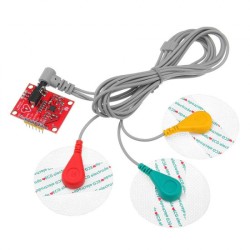
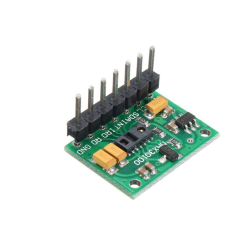
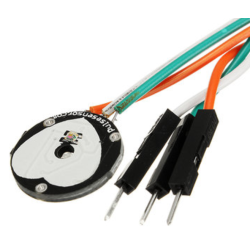
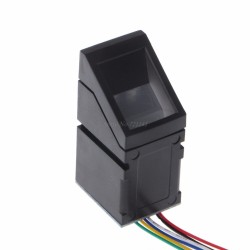
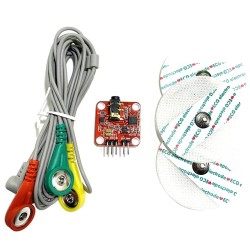
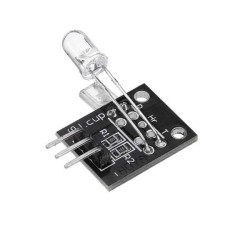
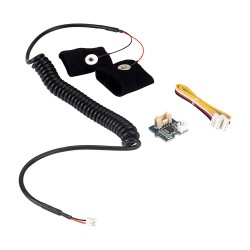
Biometric and medical sensors capture physiological or behavioral data from the human body for health monitoring, identity verification, and research. This category includes modules that detect heart rate, blood oxygen saturation (SpO2), electrocardiography (ECG), electroencephalography (EEG), blood pressure, body temperature, galvanic skin response (GSR), and fingerprint patterns. Most sensors communicate via I2C, SPI, or analog outputs and are optimized for low power consumption, making them suitable for wearables, IoT health nodes, and portable diagnostic kits.
Common Sensor Types
- Optical pulse oximetry sensors: Integrated solutions like MAX30102 and MAX30100 use red/IR LEDs and photoplethysmography (PPG) to measure heart rate and SpO2.
- ECG/EMG sensors: Analog front-ends such as AD8232, ADS1292R amplify biopotential signals and filter noise; used with disposable or reusable electrodes.
- Temperature sensors: Digital (DS18B20, MLX90614 contactless) or analog thermistors with ±0.1°C accuracy for body or ambient measurement.
- Fingerprint sensors: Optical or capacitive modules that communicate over UART/USB for access control and security projects.
- EEG sensors: NeuroSky TGAM and similar processors extract brainwave bands for attention and meditation metrics.
When selecting a sensor, consider output type (analog/digital), communication interface, noise immunity, and operating voltage (typically 3.3V or 5V). For medical-grade prototypes, electrode material, skin-contact impedance, and long-term drift are critical. Compatibility with popular development platforms (Arduino, ESP32, Raspberry Pi) and availability of open-source libraries accelerate prototyping and testing.


