
ESP Development Boards
20 products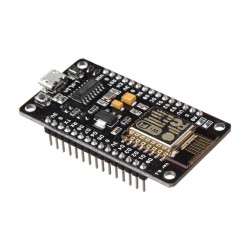
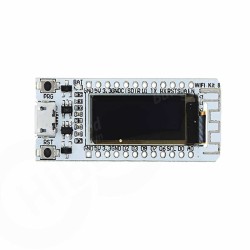
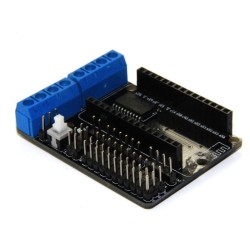
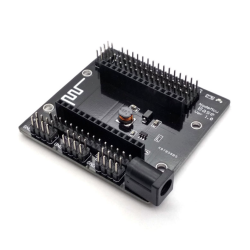
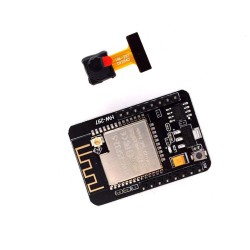
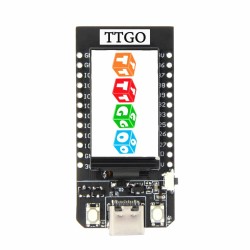
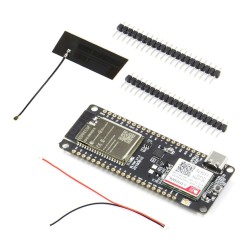
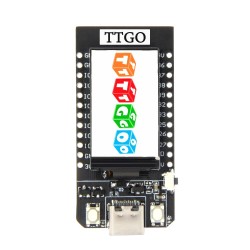
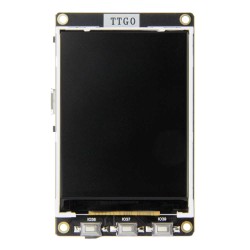
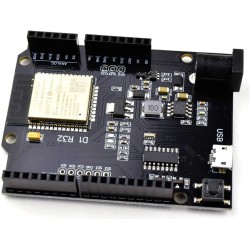
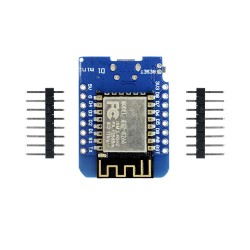
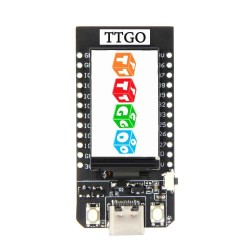
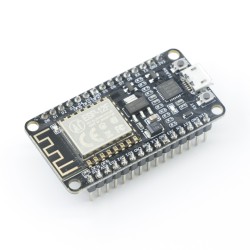
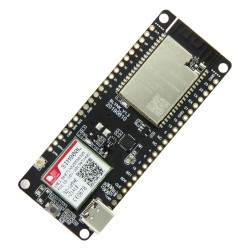
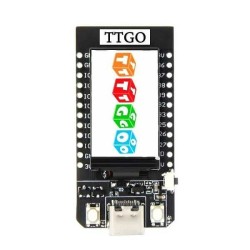
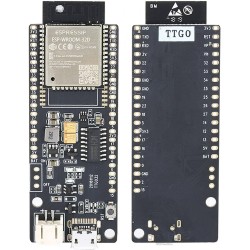
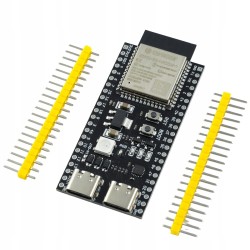
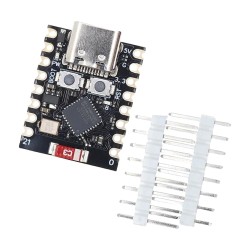
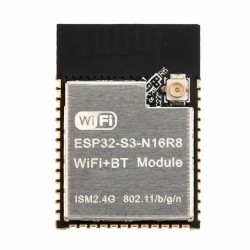
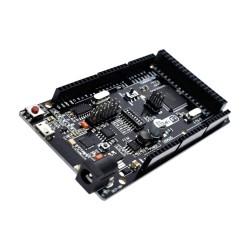
ESP8266 and ESP32-based development boards are widely used in IoT, home automation, wireless sensor networks, and industrial monitoring projects due to their low cost and integrated Wi-Fi/Bluetooth capabilities. Popular models like NodeMCU, Wemos D1 Mini, and ESP32 DevKit offer various options in terms of GPIO count, ADC resolution, memory capacity, and additional hardware interfaces.
ESP Development Board Models
- ESP8266 Series: Compact boards such as NodeMCU V3, Wemos D1 Mini, and ESP-01 are ideal for projects requiring basic Wi-Fi connectivity.
- ESP32 Series: Features a dual-core processor, BLE 4.2, more GPIOs, and touch sensing. Notable models include ESP32 DevKitC, ESP32 CAM, and TinyPICO.
Key Selection Criteria
When choosing a board, first determine the wireless interface you need (Wi-Fi only or also Bluetooth). Other critical parameters are:
- Memory and Flash Capacity – At least 4 MB flash is recommended for complex applications and OTA updates.
- GPIO and Analog Inputs – Select a model with enough pins to support your sensors/actuators.
- Power Supply and Consumption – For battery-operated projects, prefer boards with low deep sleep current.
- Form Factor – Breadboard-compatible, mini, or pre-soldered pin configurations affect mechanical design.
- Ease of Programming – Models with built-in USB-UART converters (CH340, CP2102) speed up the initial setup.


