
Arduino Development Boards
23 products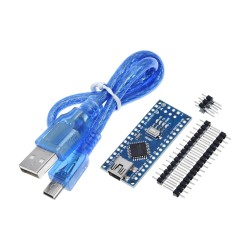
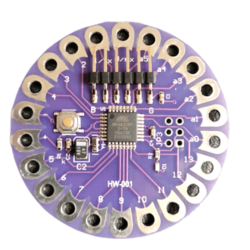
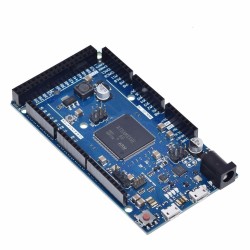
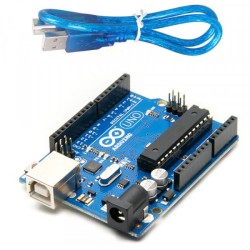
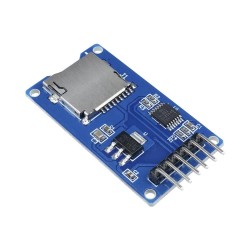
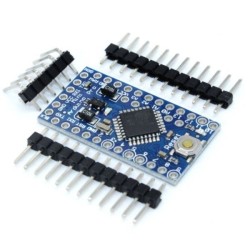
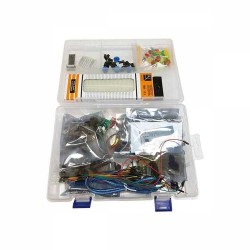
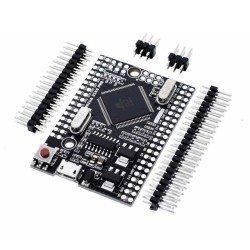
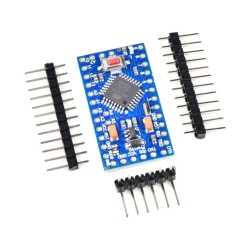
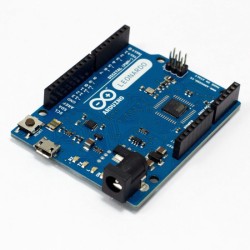
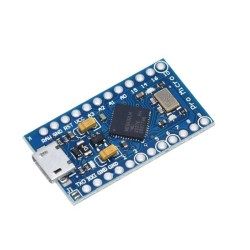
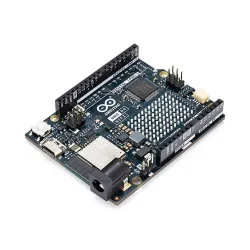
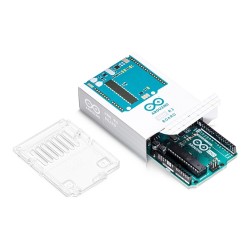
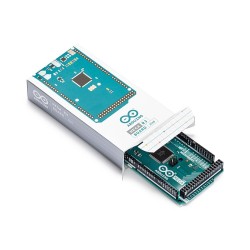
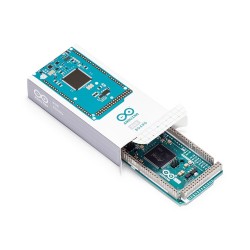
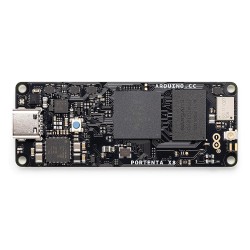
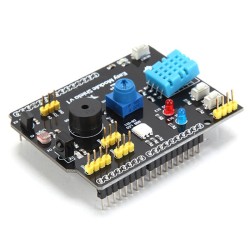
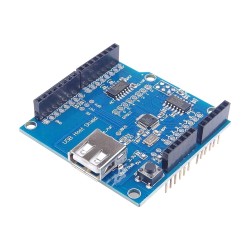
Arduino development boards are open-source microcontroller platforms widely used for electronics prototyping and embedded systems projects. Based on the Atmel AVR architecture, these boards offer ease of programming and extensive shield compatibility, making them popular for both hobbyist and professional applications. With models like the Uno, Mega 2560, Nano, and Micro, Arduino provides options tailored to different needs in terms of I/O pin count, memory capacity, and physical size.
Arduino Models and Key Differences
- Arduino Uno: ATmega328P processor, 14 digital GPIOs, 6 analog inputs, 32 KB flash. The standard choice for beginner and general-purpose projects.
- Arduino Mega 2560: ATmega2560, 54 digital pins, 16 analog pins, 256 KB flash. Ideal for complex setups controlling numerous sensors, motors, or displays.
- Arduino Nano: Similar specs to the Uno but in a breadboard-friendly compact form factor, perfect for space-constrained and portable applications.
- Arduino Micro & Leonardo: Built-in USB communication that can emulate HID devices like mice or keyboards, offering a unique advantage for human interface projects.
Choosing the Right Arduino Board
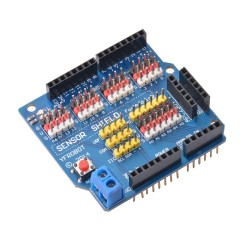
When selecting the right Arduino for your project, consider these factors: required number of I/O pins, physical size constraints, operating voltage (typically 5V or 3.3V), PWM channel needs, pin compatibility with intended shields, and memory limitations. Keep in mind that original Arduino boards and compatible clone boards with alternative USB‑to‑serial chips (e.g., CH340G) may require different drivers.


