
3D Printers
27 products
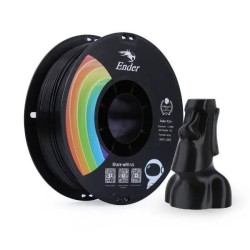
3D Printer Types and Working Principles
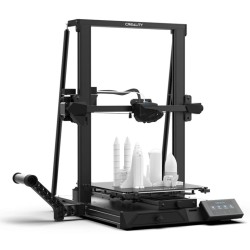
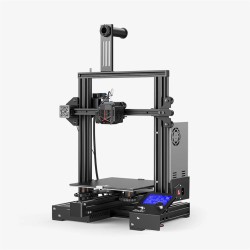
3D printers transform digital models into physical objects by depositing material layer by layer. The most common technologies are FDM (Fused Deposition Modeling), SLA (Stereolithography), and SLS (Selective Laser Sintering). FDM printers melt and extrude filament through a nozzle onto a build plate, while SLA printers cure liquid resin with UV light to achieve high-detail prints. When choosing, factors like print precision, material range, and operating cost should be considered.
Key Parameters and Selection Guide
Pay attention to these technical details when selecting a 3D printer:
- Build volume (X×Y×Z): Defines the maximum object size you can print. For hobby use, 200×200×200 mm is sufficient; larger volumes are needed for industrial projects.
- Nozzle diameter: The standard 0.4 mm nozzle offers a balance of detail and speed; 0.2 mm for finer details, 0.8 mm for rapid prototyping.
- Heated bed: Critical for materials prone to warping, such as ABS and PETG. It helps with adhesion and prevents layer separation.
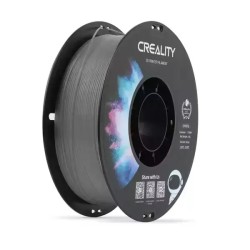
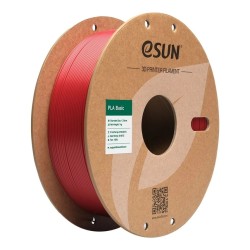
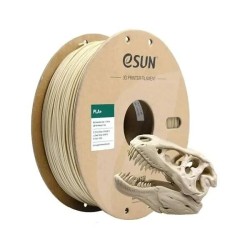
- Filament diameter and material compatibility: Most desktop printers use 1.75 mm filament. Ensure the printer supports the material you plan to use (PLA, ABS, PETG, TPU, nylon, carbon fiber-filled, etc.).
- Layer height and print speed: Lower layer heights (e.g., 0.1 mm) produce smoother surfaces; higher speeds favor rapid prototyping.
Common Mistakes and Troubleshooting
Beginners often face calibration issues, wrong filament choice, and bed adhesion problems. While an auto bed leveling sensor simplifies setup, manual calibration should still be performed periodically. Using an enclosure, especially for ABS, prevents layer cracking due to uneven cooling. Stocking spare nozzles, PTFE tubing, and adhesion sprays from the start minimizes downtime.