
GPS & GNSS Modules
7 products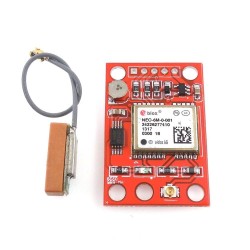
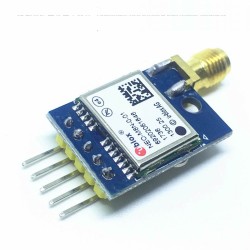
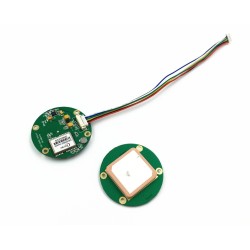
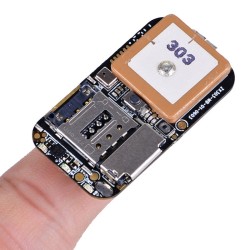
GPS and GNSS receiver modules are the fundamental building blocks of satellite-based positioning systems. Capable of receiving signals from multiple constellations such as GPS, GLONASS, BeiDou, and Galileo, these modules provide latitude, longitude, altitude, and time data with sub-meter accuracy. They are widely used in Internet of Things (IoT) devices, vehicle tracking, drone navigation, precision agriculture, logistics, and personal positioning projects. Most modules output data via serial communication (UART) using the NMEA 0183 protocol; some also offer I2C or SPI interfaces.
How to Choose the Right GPS/GNSS Module
- Sensitivity and TTFF: The module's cold start time-to-first-fix (TTFF), tracking sensitivity under weak signal conditions, and the number of supported GNSS systems must match your project's requirements.
- Supply Voltage and Power Consumption: For battery-operated applications, pay attention to 3.3V vs 5V options, low-power modes, and sleep current values.
- Antenna Connection: Modules with built-in chip antennas suit compact designs, while external active antenna support (e.g., u.FL connector) improves signal reception. Antenna gain and 50-ohm impedance matching should be considered.
- Integration Ease: Libraries such as TinyGPS++ or NeoGPS and example code compatible with Arduino, Raspberry Pi, ESP32, and STM32 accelerate development.
A common mistake is mounting the module near metal surfaces or orienting the antenna incorrectly. A clear view of the sky is essential for satellite acquisition. Additionally, using proven parsing libraries instead of manually reading raw NMEA sentences prevents errors caused by misinterpreted data. Do not skip the backup battery (VBAT) connection to maintain almanac data and reduce cold start time.