
Gas Sensors
16 products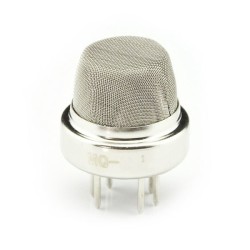
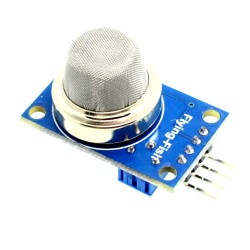
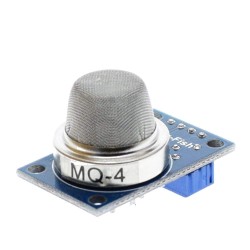
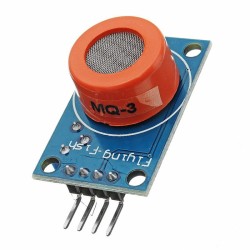
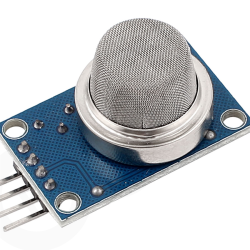
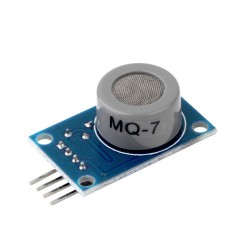
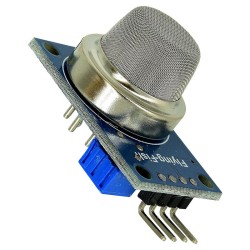
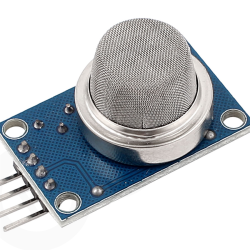
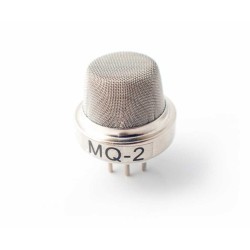
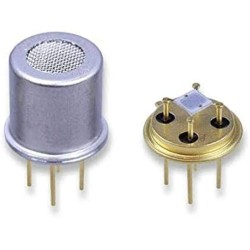
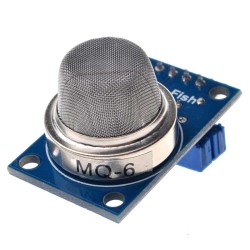
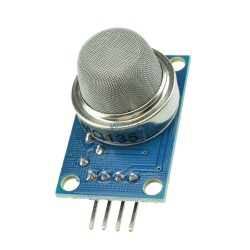
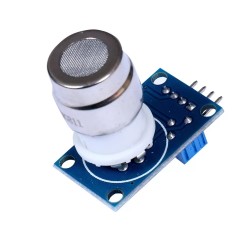
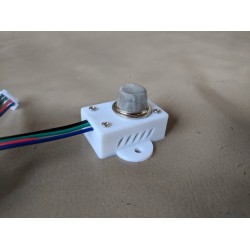
Gas sensors are electronic components used to detect the presence and concentration of specific gases in the environment. They are widely used in applications ranging from hobby electronics to industrial safety systems. This category includes semiconductor sensors from the MQ series, electrochemical sensors, NDIR (non-dispersive infrared) sensors, and various gas detection modules.
Gas Sensor Types and Selection Criteria
When choosing the right gas sensor for your project, consider the following key factors:
- Target Gas: The gas(es) the sensor is sensitive to (e.g., carbon monoxide, methane, alcohol, propane). Selecting the wrong gas type may result in no reading or permanent damage.
- Detection Range and Sensitivity: Measurement range in ppm and the minimum detection threshold. Ensure it covers the expected concentration levels in your application.
- Output Type: Analog (typically a 0–5V ratiometric signal) or digital (TTL level trigger). Analog is suitable for microcontroller ADC readings; digital output works well for threshold-based alarms.
- Heater Voltage and Power Consumption: Many MQ sensors include a heating element that requires a specific voltage and warm-up time. Make sure your power supply can handle the initial surge current.
- Response Time and Stability: Quick response to gas changes and long-term signal stability are critical for safety‑critical applications.
Common Sensor Models
The table below compares the key features of some frequently stocked MQ series sensors:
| Model | Target Gas | Detection Range | Typical Application |
|---|---|---|---|
| MQ-2 | LPG, propane, hydrogen, methane, smoke | 300 – 10,000 ppm | Home/office gas leak alarm |
| MQ-3 | Alcohol vapour | 0.04 – 4 mg/L | Breathalyzer |
| MQ-7 | Carbon monoxide (CO) | 10 – 1,000 ppm | CO detector, enclosed parking |
| MQ-135 | NH3, NOx, benzene, CO2, smoke | 10 – 1,000 ppm (general air quality) | Air quality monitoring, ventilation control |
Application Tips and Common Mistakes
One of the most common mistakes when working with gas sensors is skipping calibration before taking measurements. MQ sensors are sensitive to ambient conditions; they should be calibrated against a clean air reference. Additionally, some sensors exhibit cross‑sensitivity (responding to multiple gases). If your project requires selective measurement, an electrochemical sensor may be a better choice. Ignoring the heater cycle during prolonged operation can lead to drift in readings. Finally, exposing a sensor directly to flammable or explosive gas mixtures without proper protection circuits can cause permanent damage.